









From the ancient dwellings of Chaco Canyon to the remote wilderness of the Boundary Waters, some of America’s most protected landscapes are facing renewed development pressures just beyond their borders. As mining and drilling proposals move forward near these certified International Dark Sky Places, another increasingly rare natural resource must also be considered: the night itself.
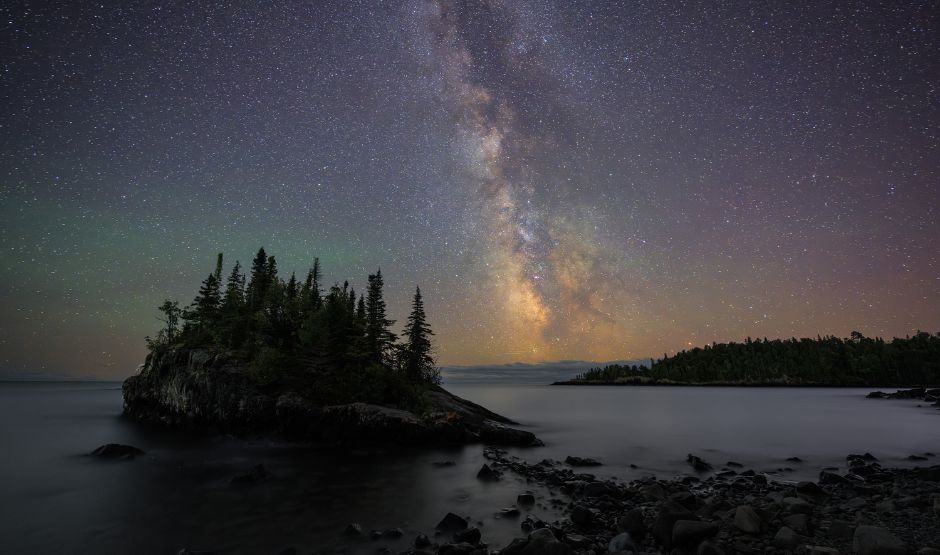
Across the United States, some of the nation’s most treasured landscapes are protected for their sweeping vistas, wildlife habitat, and cultural history. Yet when the sun sets, many of these places reveal another kind of wonder: naturally dark nights where the Milky Way still arcs across clear, star-filled skies.
For more than two decades, the International Dark Sky Places program, created by DarkSky International, has recognized landscapes where natural darkness still endures. Established in 2001, the program works with park managers, local governments, and surrounding communities to protect the nighttime environment through responsible lighting policies and long-term stewardship.
The goal is simple but profound: to ensure the night remains part of what these landscapes protect, benefiting nocturnal wildlife, enriching visitor experiences, and safeguarding a shared natural heritage for generations to come.
But shifting policies governing mining and drilling near protected landscapes are raising serious concerns. Recent changes affecting lands near the Boundary Waters Canoe Area Wilderness in Minnesota and proposals surrounding Chaco Culture National Historical Park in New Mexico show how long-standing protections can shift, placing some of the nation’s darkest remaining skies at risk.
As development brings roads, facilities, and industrial lighting into environmentally sensitive regions, another resource deserves attention as well: the night itself.
In April 2026, federal legislation ended a 20-year mining moratorium on lands near the Boundary Waters Canoe Area Wilderness in Minnesota’s Superior National Forest, allowing mining proposals in the region to move forward through existing review and permitting processes.
The Boundary Waters Canoe Area Wilderness is a vast network of lakes, forests, and interconnected waterways, widely visited and deeply loved for its solitude and largely untouched landscape. Lifting the moratorium signals a shift in how surrounding lands may be managed, raising questions about how development could alter the character of the region, including its night skies.
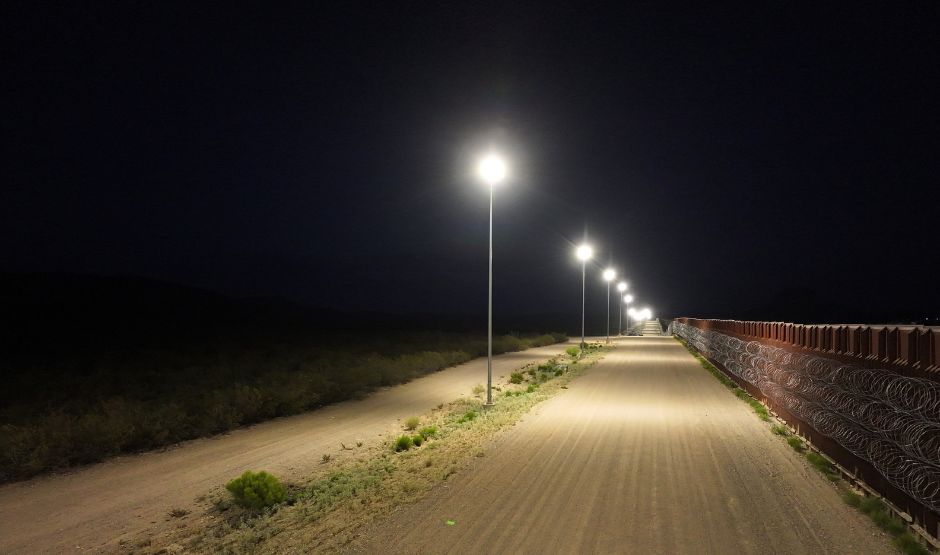
Mining projects rarely arrive alone. They bring access roads, processing facilities, transportation corridors, worker housing, and the extensive lighting required for safety and operations. Even miles away, industrial lighting can transform the nighttime environment, creating skyglow that washes out the night.
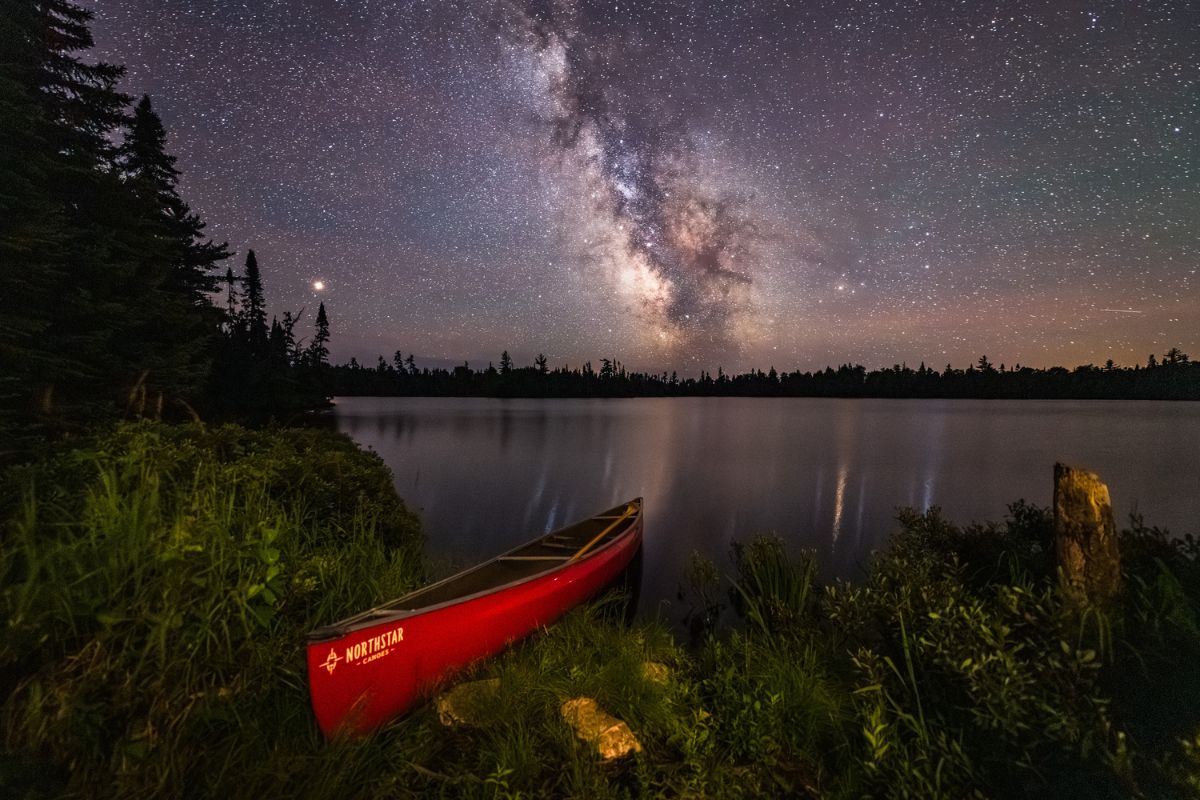
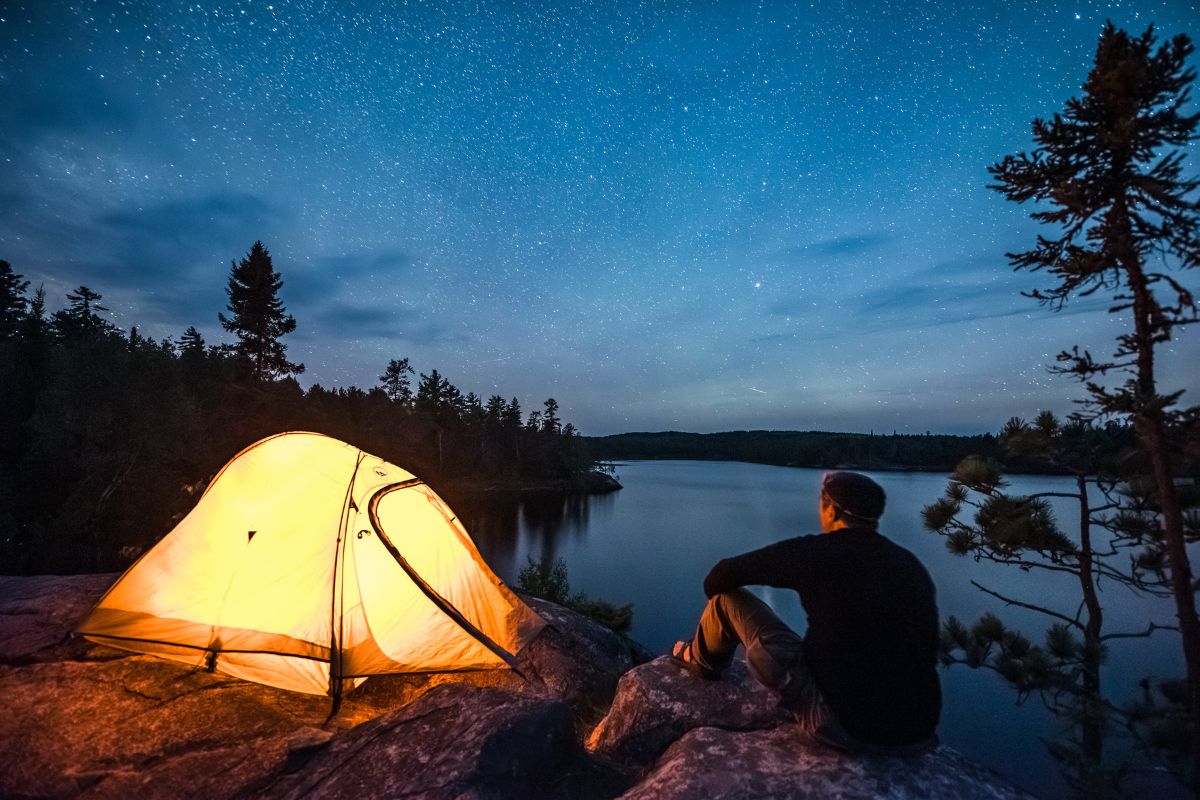
In places like the Boundary Waters, where visitors paddle between remote campsites beneath the Milky Way, natural darkness is not just part of the scenery. It is part of the wilderness experience itself.
A similar debate is unfolding nearly 1,200 miles south in northwestern New Mexico.
Chaco Culture National Historical Park protects one of North America’s most remarkable archaeological landscapes. Between about 900 and 1150 C.E., the canyon served as a major cultural center for Ancestral Pueblo communities, whose monumental stone structures and ceremonial sites were often aligned with the movements observed in the cosmos.
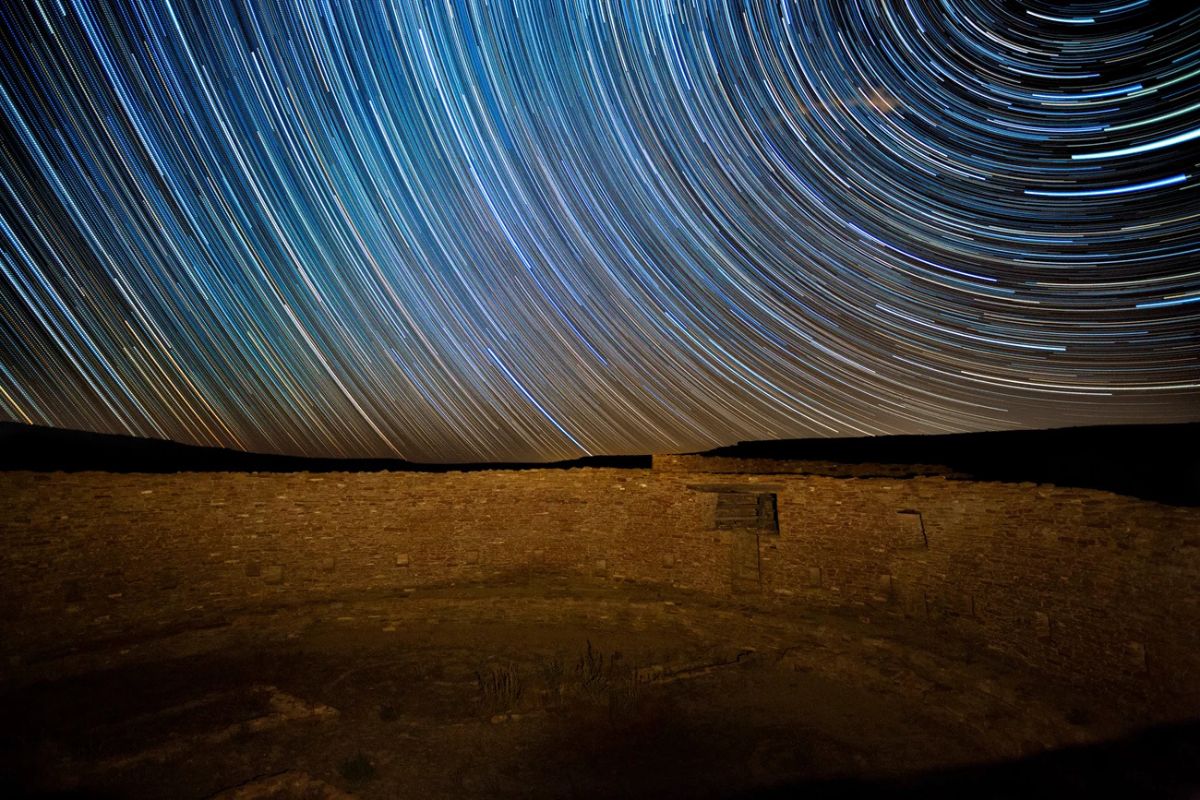
Today, Chaco is both a UNESCO World Heritage Site and a designated International Dark Sky Park, celebrated for its exceptional night skies and astronomy programs. Yet the park sits within the San Juan Basin, one of the most heavily developed oil and gas regions in the United States.
Federal policy recently established a 10-mile buffer around the park to limit new drilling on nearby federal lands. That protection is now under review, raising the possibility that surrounding areas could once again open to energy development.
Environmental organizations have raised serious concerns about how expanded oil and gas activity could affect the historic park, including potential impacts to wildlife, disruptions to migration patterns, and even risks to the stability of the ancient architecture.
While those concerns are valid, DarkSky International is examining the issue from another angle: the threat to the night and dark skies.
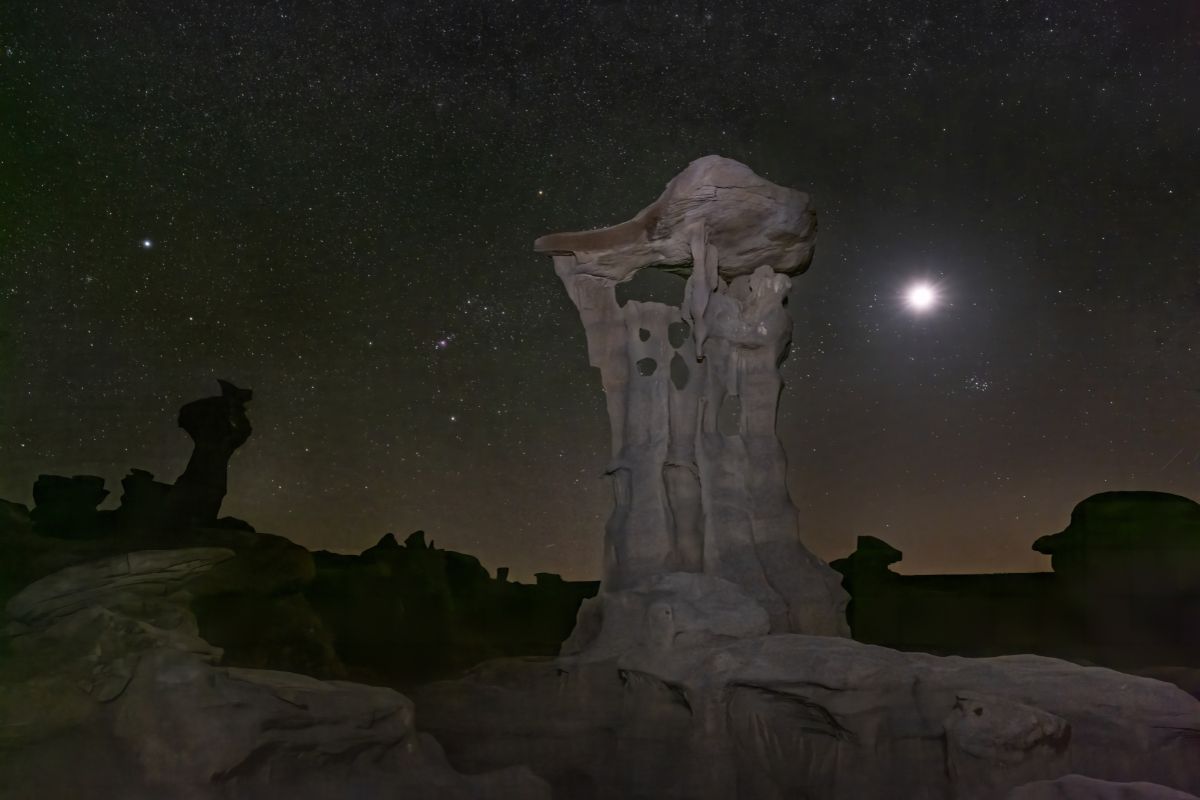
Dark skies are increasingly recognized as a valuable natural and cultural resource. Yet artificial light at night is spreading rapidly. Data from the community science project Globe at Night suggest light pollution is growing globally by roughly 10 percent each year, making truly dark landscapes increasingly rare.
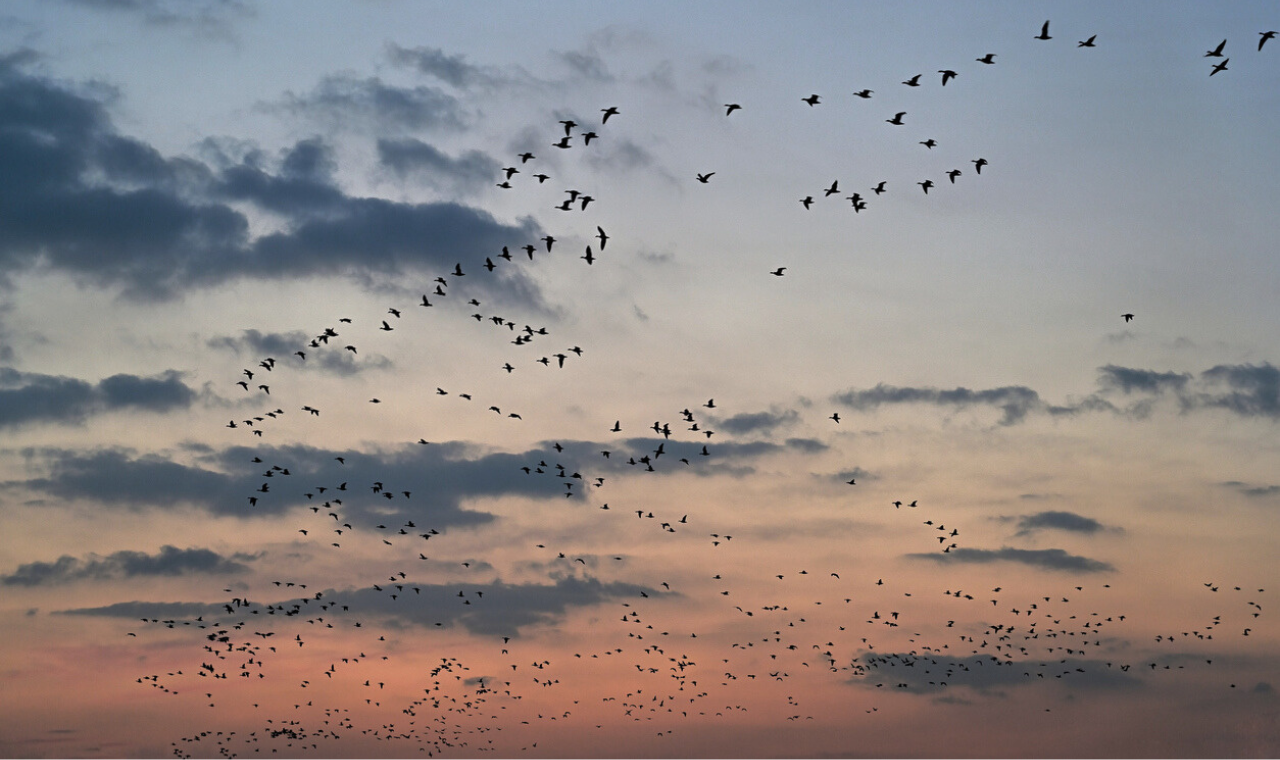
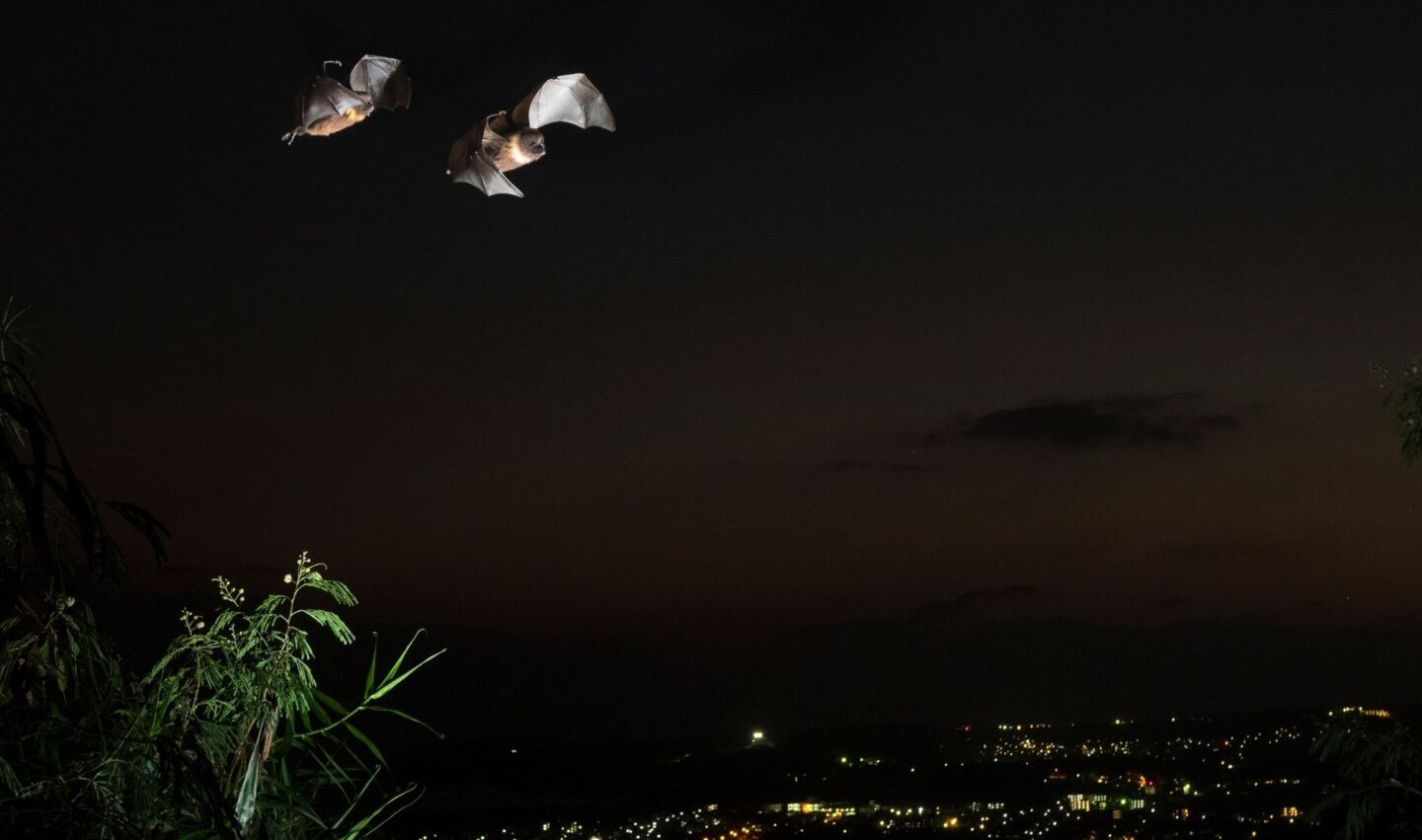
Protected areas have therefore become refuges not only for wildlife and ecosystems, but also for natural darkness. Many species, from insects and bats to birds and mammals, rely on natural light cycles to navigate, feed, and reproduce. Artificial lighting can disrupt these rhythms, altering nocturnal behavior across entire ecosystems.
For people, dark skies carry cultural and economic value as well. At Chaco Canyon, visitors gather beneath skies once studied by Ancestral Pueblo communities whose architecture aligns with solar and lunar cycles. The canyon remains culturally significant to Pueblo and Navajo communities today, where connections between the night sky, ceremony, and cultural heritage endure.
In places like the Boundary Waters, paddlers camp beneath star-filled skies rarely seen elsewhere in the lower United States. These experiences are fueling a growing astrotourism economy in rural regions, but as development spreads and light pollution grows, they risk fading just as the stars do.
Places like Chaco Canyon and the Boundary Waters have not been recognized for their dark skies by accident. Their protected status reflects years of work by land managers, scientists, and surrounding communities to safeguard natural darkness as a defining feature of these landscapes.
That raises an essential question: how can places designated to protect darkness remain dark if the surrounding landscape grows steadily brighter?
DarkSky International’s position begins with a broader principle: the organization is not opposed to infrastructure or lighting itself. Communities rely on lighting for safety, transportation, and economic activity, and responsible development will continue to shape both rural and urban landscapes.
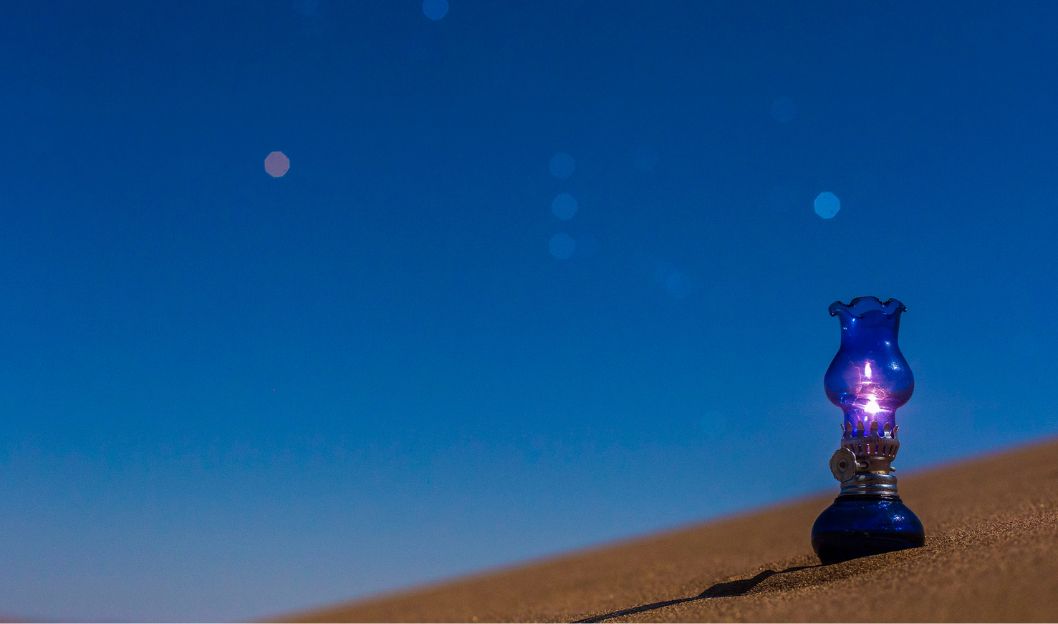
What matters is how lighting decisions are made. DarkSky promotes five principles for responsible outdoor lighting — lighting should be useful, targeted, low level, controlled, and warm-colored — principles grounded in a broader framework of values-centered outdoor lighting (https://darksky.org/resources/guides-and-how-tos/values-centered-outdoor-lighting/).
In most places, these principles provide a path forward that allows infrastructure and lighting to coexist with the night sky.
But landscapes already recognized for their exceptional darkness present a different challenge. In these environments, the same values that guide responsible lighting point to a simpler conclusion: the most effective way to preserve a dark sky is often to avoid introducing new sources of light at all.
For places like Chaco Canyon and the Boundary Waters, where visitors still experience the Milky Way stretching across the night and ecosystems continue to follow natural light cycles, the goal is not simply better lighting design.
It is to keep dark sky places dark.
How you can support International Dark Sky Places
One of the most effective ways to protect dark skies is by engaging with elected officials. Contacting local, state, and congressional representatives to express support for policies that safeguard natural darkness can help ensure the night sky remains part of decisions about land use and development.
You can also support the broader effort by learning more about DarkSky International and the International Dark Sky Places program (Link to program page), which works with communities, scientists, and policymakers to protect the nighttime environment.
Local DarkSky chapters and Advocates are actively working in regions connected to places like Chaco Canyon and the Boundary Waters. Learning about these chapters and supporting their efforts is another way to help protect these remarkable night skies.
Building on decades of bipartisan support for these extraordinary landscapes, DarkSky International remains committed to working alongside local communities, Tribal partners, land managers, scientists, and policymakers to help ensure natural darkness remains part of what these places protect for generations to come.